GEMPRO BLOG · EDUCATION
LED VS HALOGEN:
WHAT ACTUALLY
CHANGES.
Halogen bulbs have been the factory default for decades because they're cheap and simple: a heated filament in a gas-filled glass envelope. LED bulbs replace that filament with semiconductor chips, which changes brightness, heat behavior, lifespan and cost in ways that matter for a daily driver.
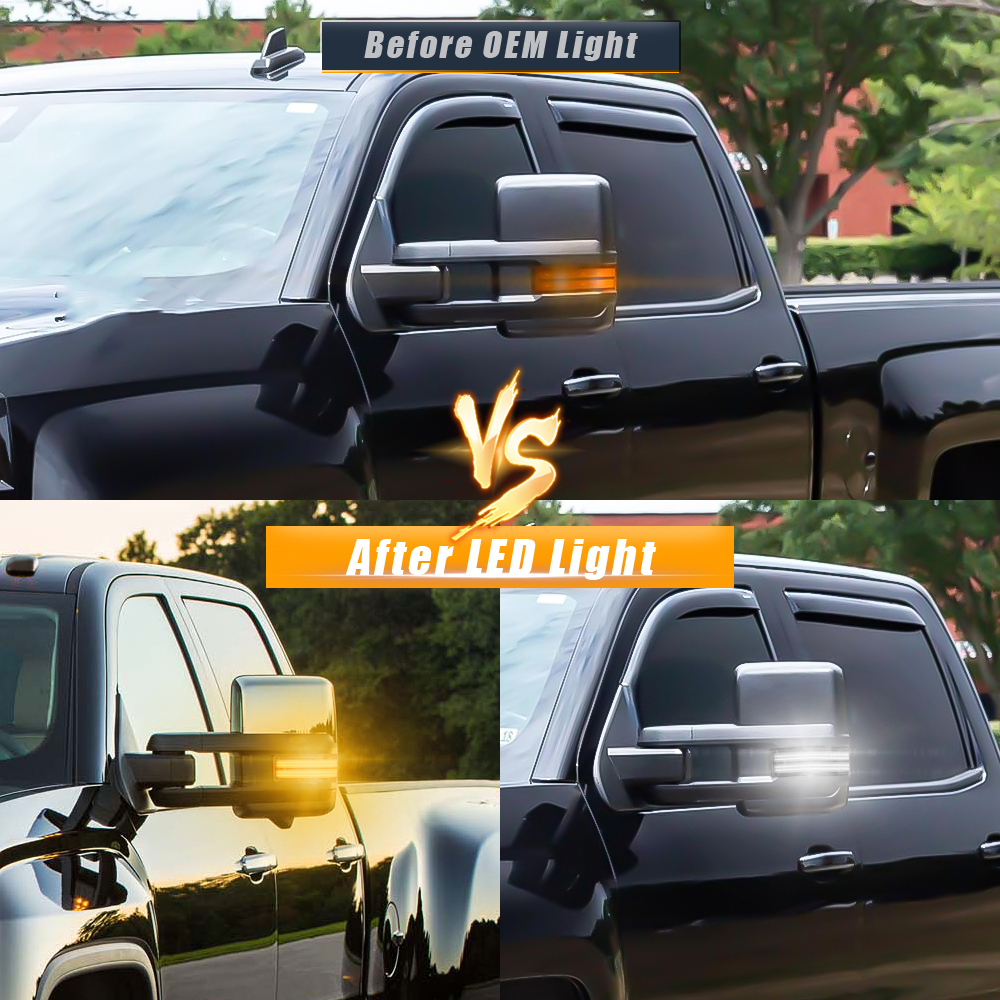
Brightness and visibility
A quality LED bulb typically outputs more usable light on the road than a stock halogen at the same wattage draw, with a whiter color temperature that renders road markings and signs more clearly at night.
Heat: different, not necessarily less
Halogens radiate heat forward through the glass; LEDs push heat backward into a heat sink and fan. This means LED housings run hot at the base and need adequate airflow — a poorly cooled LED bulb can actually fail faster than a halogen in a tight housing.
Lifespan
LED chips themselves last far longer than a halogen filament, but real-world LED bulb lifespan depends heavily on how well the housing manages heat. Halogens fail predictably as the filament wears; LED failures are more often tied to the driver electronics or cooling fan.
Cost over time
LED bulbs cost more upfront but are typically replaced far less often, and draw meaningfully less current from the electrical system — a small but real benefit for older charging systems or heavy accessory loads.
- LED: brighter, whiter light, lower current draw, higher upfront cost.
- Halogen: lower upfront cost, simple and predictable, but dimmer and shorter-lived.
- Housing fit and heat management matter more for LED performance than for halogen.
Related reading: ready to shop? See How to Choose the Right LED Headlight Bulb for what to check before you order. Adding auxiliary lighting too? Read DOT & Street-Legal Basics for Aftermarket Lighting first.
Browse GEMPRO LED lighting matched to your light position.